

Muscle tightness, stiffness and soreness can affect your comfort, mobility and ability to exercise regularly. If you are looking for Sports Massage in Hertfordshire, understanding how it may support recovery can help you make an informed decision about your physical wellbeing.
At All Backs Physio Hemel in Hemel Hempstead, treatment options should be tailored to your symptoms, activity levels and recovery goals. Whether you participate in competitive sports, enjoy regular gym sessions or experience muscle tension from everyday activities, an appropriate approach may help you maintain comfortable movement.
What Is Sports Massage in Hertfordshire?
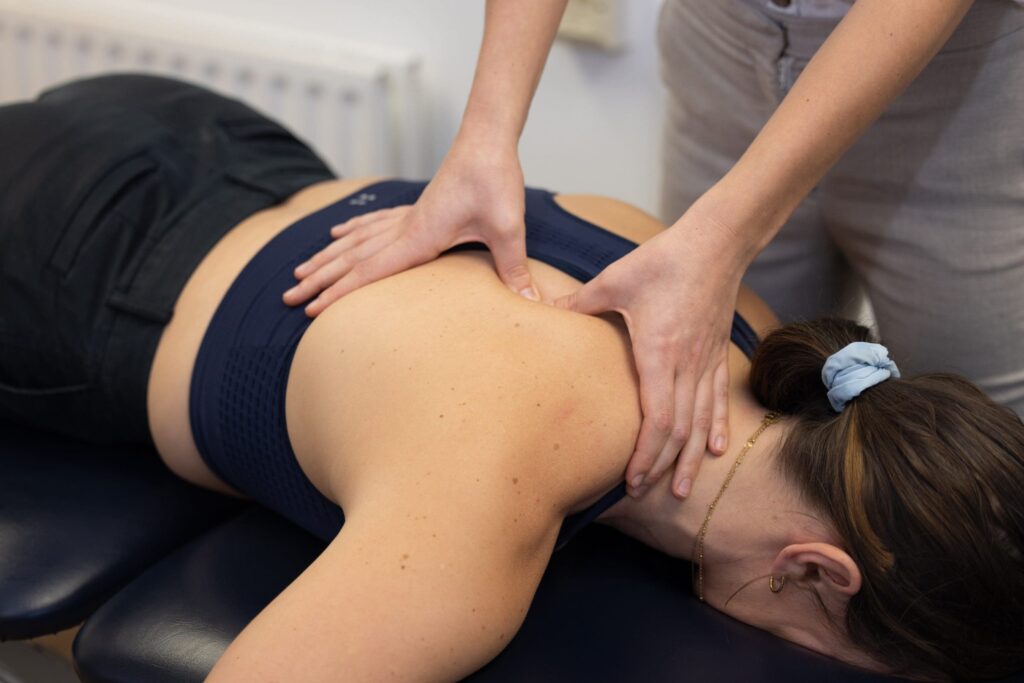
Sports massage is a hands-on treatment that uses techniques such as kneading, compression and targeted soft-tissue work. These techniques are adapted to the individual’s needs, comfort and physical activity levels.
Although sports massage is commonly associated with athletes, it may also be suitable for people who experience muscle tightness after exercise, repetitive movements, or physically demanding work.
Depending on the individual, sports massage may help with:
- Easing feelings of muscle tightness.
- Supporting comfortable movement and flexibility.
- Managing some types of post-exercise soreness.
- Promoting Relaxation after physical activity.
- Increasing awareness of muscle tension.
The benefits vary between individuals, and massage should form part of an appropriate recovery routine rather than replace necessary medical care.
How Can Sports Massage Support Muscle Recovery?
Training places demands on muscles and other tissues. Adequate rest, nutrition, hydration and suitable exercise progression are important for recovery. Sports massage may complement these habits by helping some people manage muscle discomfort and feel more comfortable after physical activity.
- Helps Manage Muscle Tension: Intensive exercise can leave muscles feeling tight or uncomfortable. Sports massage uses targeted soft-tissue techniques that may help reduce the sensation of tension and support short-term comfort.
The pressure and techniques used should reflect your symptoms and tolerance.
- May Help Reduce Post-Exercise Discomfort: Some people experience muscle soreness after challenging workouts, running, weightlifting or sports training. However, it does not guarantee faster recovery or prevent every exercise-related injury. Allowing sufficient rest between demanding sessions remains important.
- Supports Comfortable Movement: Muscle tightness can sometimes make everyday movements or exercise feel uncomfortable. Sports massage may help some individuals feel more comfortable when moving.
If restricted movement continues, an assessment may help identify whether additional treatment or rehabilitation exercises are appropriate.
Relaxation is one part of recovery, alongside sleep, balanced nutrition and a well-planned training schedule.
What Factors Affect Sports Massage Frequency?
There is no single schedule that suits everyone. How often you may benefit from sports massage depends on several factors.
Your exercise routine: People who regularly participate in running, cycling, weightlifting or team sports may have different recovery needs depending on training intensity and frequency.
Muscle discomfort: Occasional tightness may require a different approach from persistent or recurring pain. Ongoing, severe or unexplained symptoms should be professionally assessed.
Your recovery goals: Some people seek occasional relief after demanding workouts, while others want support with recurring muscle tension during regular training.
Your response to treatment: Pay attention to how you feel after an appointment. If soreness increases, symptoms persist, or discomfort worsens, discuss these changes with your practitioner before arranging further sessions.
A qualified professional can help you decide whether sports massage is appropriate and whether other approaches may be more suitable.
Sports Massage and Physiotherapy: Understanding the Difference
Sports massage primarily uses hands-on techniques to address muscle tension and soft-tissue discomfort. Physiotherapy takes a broader approach to assessing and managing problems affecting movement and physical function.
Depending on your needs, physiotherapy may include exercise programmes, movement assessment, education and other appropriate interventions.
If you are considering Physiotherapy in Hertfordshire, an individual assessment can help you understand your symptoms and explore suitable options. Massage may be one component of a wider recovery plan when clinically appropriate.
When Should You Seek Professional Advice?
Seek professional advice if you experience persistent pain, recurring injuries, unexplained swelling or ongoing restrictions in movement.
Sudden severe pain, significant swelling, new weakness or a suspected serious injury may require urgent medical assessment. Do not use massage to delay necessary care.
Before booking a session, consider discussing your symptoms, exercise routine, recovery goals and any existing injuries with your practitioner.
Choose Sports Massage in Hertfordshire for Your Recovery Goals
Choosing a suitable treatment involves understanding your individual needs rather than following a fixed appointment schedule. The right approach should consider your activity levels, symptoms, comfort and overall recovery goals.
At All Backs Physio Hemel in Hemel Hempstead, you can enquire about suitable treatment options and discuss whether sports massage or physiotherapy may be appropriate for your needs.
Taking a balanced approach to exercise, rest and professional guidance can help you make informed decisions about maintaining comfortable movement.
Get in touch to enquire about sports massage and physiotherapy services in Hemel Hempstead.
Frequently Asked Questions (FAQs)
- How can sports massage help athletes recover after training?
Sports massage may help some athletes manage muscle tightness, experience temporary relief from discomfort and feel more relaxed after exercise. Results vary between individuals.
- How often should I book a sports massage?
Frequency depends on your training schedule, symptoms, recovery goals and response to treatment. A suitable schedule can be discussed with a qualified practitioner.
- Is sports massage suitable for people who do not play sports?
It may be suitable for some people who experience muscle tightness from exercise, repetitive movements or physically demanding work, depending on their symptoms.
- Can sports massage speed up muscle healing?
Massage may help manage certain symptoms, but it does not guarantee faster tissue healing. Rest, appropriate rehabilitation and professional assessment may be important, particularly after an injury.
- What is the difference between sports massage and physiotherapy?
Sports massage focuses mainly on hands-on soft-tissue techniques. Physiotherapy assesses movement-related problems and may include exercises, education and other suitable interventions.
- Where can I enquire about sports massage in Hemel Hempstead?
You can contact us on 07958 367424 to enquire about available appointments and suitable treatment options.